Trading View Tickers

Monday, 9 March 2026

Avoiding Mistakes for Beginner Forex Traders

Learn how to avoid common mistakes for beginner forex traders. Discover tips on risk management, trading plans, and emotional control for beginner traders.


Top Mistakes Beginner Forex Traders Must Avoid for Success

The forex market moves fast and is filled with opportunities. Every trade involves Currency Pairs like EUR/USD or USD/JPY composed of a Base Currency and a Quote Currency. You can trade Majors, Minors, or Exotic pairs.

Traders use different order types such as Market Order, Limit Order, and Stop Order to get in and out of trades. The Bid Price and Ask Price determine the Spread, your main trading cost. Each trade is measured in Lots (Standard, Mini, Micro), and Pips (Percentage in Point) show price changes. Choosing the right Position Size is essential for risk control.

Key Takeaways

  • No Trading Plan: Jumping into forex trading without a plan leads to impulsive decisions and losses. Your plan must include entry and exit strategies, Stop Loss (SL), Take Profit (TP), and overall risk management rules.
  • Poor Risk Management: Avoid risking too much on each trade. Stick to the 1% rule and focus on your Risk-to-Reward Ratio (R:R), Margin, Position Size, Drawdown, and protecting your capital.
  • Excessive Leverage: Leverage increases both potential gains and losses. Beginners should learn how Leverage, Margin, Margin Call, and Stop Out levels work to avoid wiping out their accounts.
  • Emotional Trading: Emotions like fear and greed can lead to mistakes. Use objective Technical Analysis tools—such as Moving Averages (SMA, EMA), RSI, support and resistance levels, and Candlestick Patterns (like Doji, Hammer, Engulfing)—to stay disciplined.
  • Ignoring Fundamentals: Currency markets are influenced by Economic Indicators (GDP, CPI, NFP), Central Bank Policies (interest rates, QE), and major news. Combine Fundamental Analysis with Technical Analysis for better trading decisions.

Common Mistakes Beginner Forex Traders Make

Common Mistakes vs. Professional Solutions

MistakeProfessional Solution
No trading plan, emotional tradesCreate a written plan, use SL, TP, planned Position Size
Too much risk per tradeUse 1% risk rule, set SL and calculate Margin
Excessive leverage, big DrawdownUse low Leverage, scale Position Size with care
Ignoring fundamentalsMix Technical & Fundamental Analysis, check Economic Indicators
Poor order execution, big SpreadMind your order type—Market, Limit, or Stop Order, and always check Spread

Why do most forex traders fail? Yet, they can engage the services of forex brokers for beginners. Traders are constantly trying to find an edge in the markets when trading currencies. 
Discover the top 15 brokers with low spreads for 2026. Compare ActivTrades, BlackBull, TMGM, and more to slash trading costs and boost profits.

Unfortunately, the desperate attempts to make money often lead them to make the same mistakes other forex traders make. The good news is that you can improve your chances of success if you learn forex trading from others’ mistakes. 

Here are some of the most common forex beginner mistakes:

Trading Without a Plan

Many forex beginners treat trading like gambling, relying on luck. Successful traders use a clear trading plan, which includes:

  • Entry triggers—such as Breakout Trading above Resistance Levels or Pullbacks to Support Levels.
  • Pre-programmed Stop Loss (SL) and Take Profit (TP) levels.
  • Setting Position Size, calculating lots, and factoring in Leverage.
  • Indicators like RSI, Moving Averages, Fibonacci Retracement, Bollinger Bands, Volume Indicators (OBV, VWAP), and reading Candlestick Patterns.

BlackBull Markets has built a reputation for speed. Based in New Zealand, they are an ECN broker. This means they connect you directly to the market without interfering.

Example:

Imagine you expect EUR/USD (a Major Pair) to rise.

– No Plan: You enter a Long Position without checking support, resistance, or trend lines. A small reversal triggers an emotional exit.

– With a Plan: You enter only after a bullish Engulfing candle and confirmation from a Moving Average crossover. You set your SL below the last swing low and TP before the next resistance.

Traders also watch for liquidity pockets like Order Blocks, Fair Value Gaps (FVG), and areas of Equal Highs or Equal Lows these often signal smart money moves.

Read Beginners Guides and Tips For Forex Trading

Overtrading Forex

Many traders looking to enter the forex markets are tempted to take a considerable trade in anticipation of an enormous win in the long term because they are allured by the possibility of one. One of the most common and expensive trading errors you can make is this overtrading. There is always a chance that the markets will turn against you because they are frequently unpredictable. 

Forex Market Today Amid Ongoing Geopolitical Tensions

Your chances of future success can be severely harmed if you put a significant percentage of your trading capital at risk. Even with a trading account, it’s safer to go slow and learn forex trading step by step before you can commit huge sums in single trading. 

Additionally, you need to know how much you’re willing to lose on each trade and stick to that amount. Failure to manage risks can lead to big losses that can wipe out your account.

Using Excessive Leverage

Leverage is a double-edged sword. High Leverage allows you to control more with less capital but also brings more risk.

  • Too much Leverage can trigger a Margin Call or Stop Out fast if the trade goes against you even a few Pips in a high-volume position.
  • Understand your broker’s requirements for Margin and available Lots (Standard, Mini, Micro).
  • Protect yourself by keeping Leverage and Position Size low until you develop experience.

Explore this Eightcap Broker Review to uncover its diverse account types, extensive crypto trading options, and the key pros and cons to guide your trading decisions.

Real Example:

You open a 1 Standard Lot trade in EUR/USD with high Leverage. If the market drops 50 Pips, you lose $500. If your account was $1,000, that’s a 50% Drawdown and could trigger a Margin Call.

Risk management is crucial. Never risk more than a small percentage of your Margin per trade.

  • Always use a Stop Loss (SL).
  • Calculate Position Size using your intended risk and lots.
  • Be mindful of Margin, Leverage, Drawdown, and Margin Call risk.
  • Watch for high Volatility and Slippage during major Economic Indicators (like NFP).

A simple rule: risk 1% of your account per trade to stay safe from big Drawdowns or even a Stop Out. Adjust for Spread when setting SL and TP.

Emotional and Overconfidence When Trading Forex

Trading psychology can make or break your results.

  • After a win, overconfidence might push you to overtrade or ignore your plan. Avoid revenge trading if you hit a loss.
  • Tools like support and resistance, trend lines, RSI, and Volume Indicators help you trade based on logic, not emotion.
  • Trading styles like Scalping, Day Trading, Swing Trading, or Position Trading require different levels of focus and patience.

Live market charts serve as an indispensable tool for traders and investors, providing up-to-the-minute insights into market trends and movements.

Stay objective and always use SL and TP to remove emotion from exits.

Not Doing Adequate Research Before Trading Forex

Forex trading is not just about reading the charts. You need knowledge of both Technical Analysis and Fundamental Analysis.

  • Technical Analysis tools include: Trend Lines, SMA, EMA, RSI, Bollinger Bands, Fibonacci Retracement, Volume Indicators (OBV, VWAP), and Candlestick Patterns.
  • Fundamental Analysis covers: Economic Indicators (GDP, CPI, NFP), Central Bank Policies, Interest Rate decisions, and market news.
  • Monitor market liquidity, volatility, and Spread—especially during major news events.
  • Understand trading strategies such as Breakout Trading, Hedging, Arbitrage, and how movements in liquidity, Draw on Liquidity, or Order Blocks can affect entries and exits.

Trade Safe and Smart with ActivTrades

Always check economic calendars before placing trades and know how your Currency Pair might react.

Skipping the Demo Account

Many beginners are eager to make real money and skip a crucial learning step: the demo account. A demo account allows you to trade with virtual money in a real-time market environment. It’s the perfect place to practice without any financial risk.

Why a Demo Account is Essential

  • Learn the Platform: Use a demo account to get comfortable with your trading platform’s features, including how to place orders, set stop-losses, and use charting tools.
  • Test Your Strategy: This is your sandbox for testing and refining your trading plan. You can see how your strategy performs under different market conditions without losing real capital.
  • Build Confidence: Gaining experience and achieving consistent (virtual) profits on a demo account will build the confidence you need before you start trading with real money. Aim to be consistently profitable on a demo account for at least a few months before going live.

Trade Confidently with the Best Regulated Brokers

Your Next Steps to Smarter Trading

  • Learn the language: Pips, Lots, Margin, Leverage, Spread, Bid Price, Ask Price, Base/Quote Currency.
  • Use both Technical Analysis and Fundamental Analysis.
  • Master entry/exit using SL, TP, and evaluate Support Levels, Resistance Levels, and trend lines.
  • Choose your trading style: Scalping, Day Trading, Swing Trading, or Position Trading.
  • Stay updated on Central Bank Policies and Economic Indicators that move the market.
  • Keep your trading approach simple, disciplined, and easy to follow.

By focusing on these essentials and avoiding the most frequent beginner forex mistakes, you’ll build a stronger foundation making your trading safer, smarter, and more successful.

Lastly, always keep in mind that making trading blunders is normal when you want to learn forex trading. By learning from these mistakes, you can avoid making them in the future and improve your chances of success in the markets. You may also find it worth employing the services of the best forex broker for beginners. 

Disclaimer:

All information has been prepared by TraderFactor or partners. The information does not contain a record of TraderFactor or partner’s prices or an offer of or solicitation for a transaction in any financial instrument. No representation or warranty is given as to the accuracy or completeness of this information. Any material provided does not have regard to the specific investment objective and financial situation of any person who may read it. Past performance is not a reliable indicator of future performance. 

FOLLOW US

Author

  • Zahari Rangelov

    Zahari Rangelov is an experienced professional Forex trader and trading mentor with knowledge in technical and fundamental analysis, medium-term trading strategies, risk management and diversification. He has been involved in the foreign exchange markets since 2005, when he opened his first live account in 2007. Currently, Zahari is the Head of Sales & Business Development at TraderFactor's London branch. He provides lectures during webinars and seminars for traders on topics such as; Psychology of market participants’ moods, Investments & speculation with different financial instruments and Automated Expert Advisors & signal providers. Zahari’s success lies in his application of research-backed techniques and practices that have helped him become a successful forex trader, a mentor to many traders, and a respected authority figure within the trading community.

Friday, 6 March 2026

NFP Forecast Amid Geopolitical Shocks and the Fed’s Dilemma

Read the March 2026 NFP forecast. Discover how a 58k job estimate, rising oil prices, and geopolitics impact the Fed, DXY, gold, crypto, and stock markets.


March 2026 NFP Forecast: Jobs, Geopolitics & Markets

Financial markets face a critical turning point this March. Investors are caught between a rapidly cooling US labor market and the escalating geopolitical crisis in the Middle East. The upcoming Non-Farm Payrolls (NFP) report will serve as a crucial test for the Federal Reserve.

The central bank must navigate a complex economic landscape. On one hand, domestic hiring is slowing down. On the other hand, the joint US-Israeli military campaign known as “Operation Epic Fury” has disrupted global energy supplies, threatening to reignite inflation.

Quick Facts

  • Expected Jobs Added: 58k (down from 130k in January)
  • Unemployment: ~4.3%
  • Wage Growth: +0.4% (potential for stubborn inflation)
  • Oil Price: Brent crude over $80
  • Middle East: US-Israel operation in Iran disrupts energy markets

What’s Going On?

  • US job growth is sharply slowing.
  • Wages are up, squeezing businesses.
  • Middle East conflict is pushing oil and gas prices higher.
  • The Fed faces a tough decision: cut rates to help jobs or keep them high to fight inflation.

Key Takeaways

  • Sharp Job Slowdown: Economists forecast the March 2026 Non-Farm Payrolls (NFP) to show only 58k new jobs, a massive drop from January’s 130k.
  • Stable Unemployment: The US unemployment rate is projected to hold steady at 4.4%.
  • Geopolitical Energy Shock: “Operation Epic Fury” in the Middle East has pushed Brent crude oil prices above $80 per barrel, reigniting inflation fears.
  • Sticky Wage Growth: Average hourly earnings are expected to rise by 0.4% month-over-month, creating a stagflation risk.
  • The Fed’s Dilemma: The Federal Reserve must choose between cutting rates to support a weakening labor market or holding rates high to combat energy-driven inflation.

March 2026 NFP Expectations and Labor Market Dynamics

The US labor market is showing clear signs of exhaustion. The “low-hire, low-fire” regime that characterized late 2025 is now cracking under the weight of sustained high interest rates.

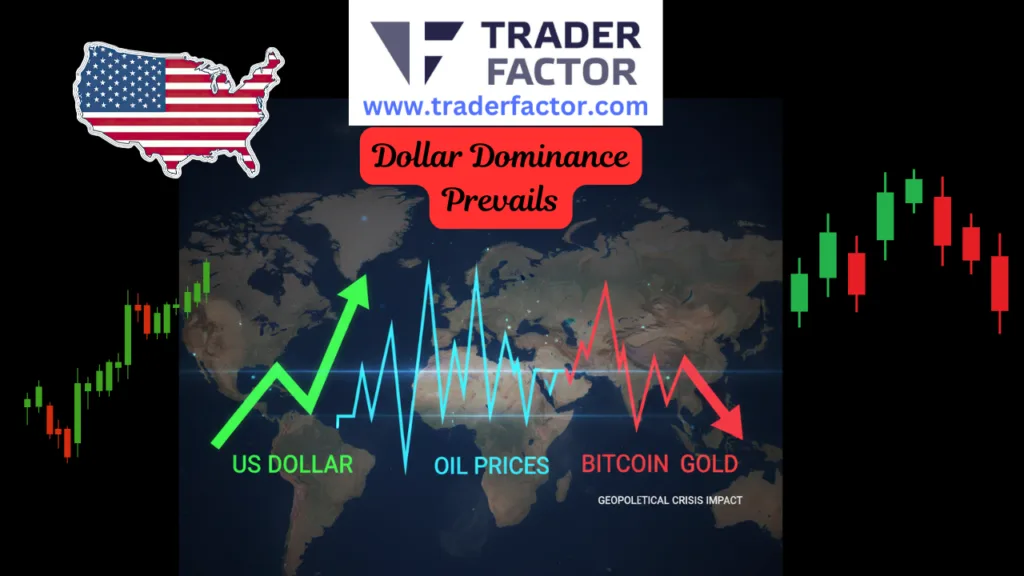
Dollar Dominance and Market Volatility Amid Middle East Conflict

The Headline Jobs Data

The March employment data points to a severe deceleration in hiring. Analysts expect the US economy to add just 58k jobs. This represents a steep decline from the 130k jobs added earlier in the year. Meanwhile, the unemployment rate is projected to remain steady or slightly edge up to 4.4%.

BlackBull Markets has built a reputation for speed. Based in New Zealand, they are an ECN broker. This means they connect you directly to the market without interfering.

The Wage Growth Problem

While job creation stalls, wages remain stubbornly high. Average hourly earnings are forecasted to rise by 0.4% for the month. This persistent wage growth creates a massive headache for policymakers. When wages stay high while job creation falls, the economy edges dangerously close to stagflation.

Geopolitical Tensions: Operation Epic Fury and Energy Markets

You cannot analyze this month’s employment data without understanding the broader geopolitical context. The conflict in the Middle East has fundamentally shifted the global economic outlook.

Unlock your 2026 Forex trading guide: Learn what a pip in forex is and master essential strategies. Elevate your trading game with valuable insights. Explore now!

The Middle East Conflict

The military initiative known as “Operation Epic Fury” has effectively dismantled central authority in Iran, leading to a multi-front regional conflict. This instability has directly threatened vital energy logistics networks in the Persian Gulf. Retaliatory strikes have targeted key infrastructure across the UAE, Saudi Arabia, and Qatar.

DeltaStock Banner Trade Nvidia 728X90

The Impact on Global Energy

These disruptions have sent immediate shockwaves through global commodities. Brent crude oil prices have surged past the $80 per barrel mark. Furthermore, global natural gas prices spiked by 13% due to direct threats against regional LNG infrastructure. This energy shock acts as a massive tax on consumers and businesses alike.

Inflation and Federal Reserve Rate Cut Scenarios

Rising energy costs from the Middle East conflict are pouring gasoline on lingering inflation risks. Sticky wage growth further complicates the Federal Reserve’s ability to adjust interest rates.

Discover the top 15 brokers with low spreads for 2026. Compare ActivTrades, BlackBull, TMGM, and more to slash trading costs and boost profits.

Policymakers previously hoped a cooling labor market would allow them to ease monetary policy. Now, the spike in energy costs means inflation could stay elevated. The Fed might be forced to keep rates high to fight inflation, even as the domestic economy slows down.

Rate Cut Expectations

  • Delayed Cuts: A strong NFP print (over 100k jobs) will likely delay rate cuts. The Fed will view the economy as strong enough to handle high rates while they fight energy inflation.

Explore this Eightcap Broker Review to uncover its diverse account types, extensive crypto trading options, and the key pros and cons to guide your trading decisions.

  • Accelerated Cuts: A weak NFP print (under 50k jobs) might accelerate rate cut expectations. Markets will bet that the Fed must pivot to save the economy from a hard landing.

Market Reactions: How Assets Will Respond to the NFP Print

Traders are preparing for extreme volatility across all major asset classes. The combination of unpredictable jobs data and geopolitical fear means market swings will be sharp.

NFP Scenario Analysis Table

Economic ScenarioNFP PrintWage GrowthFed Policy ImplicationOverall Market Sentiment
Bullish (Strong Economy)> 100kModerate (< 0.3%)Rates stay high for longer.Risk-on for equities; strong dollar.
Bearish (Recession Fear)< 50kLow (< 0.2%)Forced Fed pivot to rate cuts.Flight to safety; risk-off for stocks.
Stagflation (Worst Case)~ 50kHigh (> 0.4%)Fed is trapped. Cannot cut rates.Severe volatility; strong commodity bid.

Asset Class Impact Breakdown

Asset ClassTicker / SymbolExpected Reaction to DataKey Drivers
US DollarDXYSurge on Strong Data: A print >100k pushes DXY toward 100.40. Drop on Weak Data: A print <50k sends DXY to 98.00.Interest rate expectations and safe-haven flows.
EquitiesNasdaq, S&P 500, DowRally on Goldilocks: A 70k-90k print supports a measured Fed easing. Sell-off on Stagflation: Low jobs plus high wages crush profit outlooks.Corporate earnings expectations and borrowing costs.
Precious MetalsGold (XAU)Strong Bid: Likely to rise in a risk-off environment, especially if the NFP misses or war escalates.Inflation hedging and safe-haven demand.
EnergyBrent Crude OilSustained Highs: Prices remain elevated due to Gulf supply threats, though a very weak NFP could temper demand forecasts slightly.Middle East supply disruptions via Operation Epic Fury.
CryptocurrencyBitcoin (BTC)Bullish on Weakness: Benefits from safe-haven flows and liquidity bets if the NFP disappoints, as investors seek decentralized alternatives.Alternative store of value against fiat debasement.

Actionable Conclusions for Traders

Market participants must remain agile as the data is released. The intersection of slowing job growth and rising energy costs creates a highly unpredictable trading environment.

Discover the key strategies to pass prop firm challenge with our insightful guide on risk management, trading discipline, and market analysis.

Prepare for Equity Volatility: A “Goldilocks” print of 70k to 90k jobs is the only outcome that clearly supports stock market growth. Any major deviation will likely trigger rapid sell-offs in the Dow and S&P 500.

Watch the Wage Data: The headline jobs number matters, but average hourly earnings will dictate the inflation narrative. High wages paired with high oil prices will quickly kill any hopes for a rate cut.

Hedge with Commodities: Gold and oil remain strong defensive plays. The ongoing tensions from Operation Epic Fury provide a firm floor for energy prices, while gold offers protection against stagflation.

Frequently Asked Questions (FAQ)

Will the Fed cut rates in March?

It depends entirely on the upcoming data. If the NFP report shows extreme weakness (under 50k jobs) alongside cooling wages, a rate cut becomes highly probable. However, if wages remain sticky and job growth beats expectations, the Fed will likely hold rates steady to combat inflation.

Trade Confidently with the Best Regulated Brokers

How does the Middle East conflict affect the NFP?

The conflict does not directly change the number of jobs created this month. However, it indirectly impacts the labor market by driving up energy costs. Higher oil prices squeeze corporate profit margins, which often leads to hiring freezes and eventual lay-offs in subsequent months.

What is the “Goldilocks” scenario for the stock market?

A “Goldilocks” scenario means the data is neither too hot nor too cold. For this specific report, a job print between 70k and 90k jobs paired with moderate wage growth would be ideal. It shows the economy is cooling enough to allow the Fed to cut rates, but not collapsing into a recession.

What happens to crypto if the NFP misses expectations?

If the jobs data comes in well below the 58k forecast, markets will anticipate immediate interest rate cuts from the Federal Reserve. Lower interest rates increase global liquidity, which historically acts as a strong bullish catalyst for risk assets like Bitcoin and other cryptocurrencies. Furthermore, crypto may catch a bid as a safe-haven asset if traditional markets panic.

Advertising Opportunities for Forex Brokers, Prop Firms, Crypto Exchanges, Payment and Technology Providers.

Disclaimer:

All information has been prepared by TraderFactor or partners. The information does not contain a record of TraderFactor or partner’s prices or an offer of or solicitation for a transaction in any financial instrument. No representation or warranty is given as to the accuracy or completeness of this information. Any material provided does not have regard to the specific investment objective and financial situation of any person who may read it. Past performance is not a reliable indicator of future performance. 

FOLLOW US

Author

  • Zahari Rangelov

    Zahari Rangelov is an experienced professional Forex trader and trading mentor with knowledge in technical and fundamental analysis, medium-term trading strategies, risk management and diversification. He has been involved in the foreign exchange markets since 2005, when he opened his first live account in 2007. Currently, Zahari is the Head of Sales & Business Development at TraderFactor's London branch. He provides lectures during webinars and seminars for traders on topics such as; Psychology of market participants’ moods, Investments & speculation with different financial instruments and Automated Expert Advisors & signal providers. Zahari’s success lies in his application of research-backed techniques and practices that have helped him become a successful forex trader, a mentor to many traders, and a respected authority figure within the trading community.