Read the March 2026 NFP forecast. Discover how a 58k job estimate, rising oil prices, and geopolitics impact the Fed, DXY, gold, crypto, and stock markets.

March 2026 NFP Forecast: Jobs, Geopolitics & Markets
Financial markets face a critical turning point this March. Investors are caught between a rapidly cooling US labor market and the escalating geopolitical crisis in the Middle East. The upcoming Non-Farm Payrolls (NFP) report will serve as a crucial test for the Federal Reserve.
The central bank must navigate a complex economic landscape. On one hand, domestic hiring is slowing down. On the other hand, the joint US-Israeli military campaign known as “Operation Epic Fury” has disrupted global energy supplies, threatening to reignite inflation.
Quick Facts
- Expected Jobs Added: 58k (down from 130k in January)
- Unemployment: ~4.3%
- Wage Growth: +0.4% (potential for stubborn inflation)
- Oil Price: Brent crude over $80
- Middle East: US-Israel operation in Iran disrupts energy markets
What’s Going On?
- US job growth is sharply slowing.
- Wages are up, squeezing businesses.
- Middle East conflict is pushing oil and gas prices higher.
- The Fed faces a tough decision: cut rates to help jobs or keep them high to fight inflation.
Key Takeaways
- Sharp Job Slowdown: Economists forecast the March 2026 Non-Farm Payrolls (NFP) to show only 58k new jobs, a massive drop from January’s 130k.
- Stable Unemployment: The US unemployment rate is projected to hold steady at 4.4%.
- Geopolitical Energy Shock: “Operation Epic Fury” in the Middle East has pushed Brent crude oil prices above $80 per barrel, reigniting inflation fears.
- Sticky Wage Growth: Average hourly earnings are expected to rise by 0.4% month-over-month, creating a stagflation risk.
- The Fed’s Dilemma: The Federal Reserve must choose between cutting rates to support a weakening labor market or holding rates high to combat energy-driven inflation.
March 2026 NFP Expectations and Labor Market Dynamics
The US labor market is showing clear signs of exhaustion. The “low-hire, low-fire” regime that characterized late 2025 is now cracking under the weight of sustained high interest rates.
The Headline Jobs Data
The March employment data points to a severe deceleration in hiring. Analysts expect the US economy to add just 58k jobs. This represents a steep decline from the 130k jobs added earlier in the year. Meanwhile, the unemployment rate is projected to remain steady or slightly edge up to 4.4%.

The Wage Growth Problem
While job creation stalls, wages remain stubbornly high. Average hourly earnings are forecasted to rise by 0.4% for the month. This persistent wage growth creates a massive headache for policymakers. When wages stay high while job creation falls, the economy edges dangerously close to stagflation.
Geopolitical Tensions: Operation Epic Fury and Energy Markets
You cannot analyze this month’s employment data without understanding the broader geopolitical context. The conflict in the Middle East has fundamentally shifted the global economic outlook.

The Middle East Conflict
The military initiative known as “Operation Epic Fury” has effectively dismantled central authority in Iran, leading to a multi-front regional conflict. This instability has directly threatened vital energy logistics networks in the Persian Gulf. Retaliatory strikes have targeted key infrastructure across the UAE, Saudi Arabia, and Qatar.

The Impact on Global Energy
These disruptions have sent immediate shockwaves through global commodities. Brent crude oil prices have surged past the $80 per barrel mark. Furthermore, global natural gas prices spiked by 13% due to direct threats against regional LNG infrastructure. This energy shock acts as a massive tax on consumers and businesses alike.
Inflation and Federal Reserve Rate Cut Scenarios
Rising energy costs from the Middle East conflict are pouring gasoline on lingering inflation risks. Sticky wage growth further complicates the Federal Reserve’s ability to adjust interest rates.

Policymakers previously hoped a cooling labor market would allow them to ease monetary policy. Now, the spike in energy costs means inflation could stay elevated. The Fed might be forced to keep rates high to fight inflation, even as the domestic economy slows down.
Rate Cut Expectations
- Delayed Cuts: A strong NFP print (over 100k jobs) will likely delay rate cuts. The Fed will view the economy as strong enough to handle high rates while they fight energy inflation.

- Accelerated Cuts: A weak NFP print (under 50k jobs) might accelerate rate cut expectations. Markets will bet that the Fed must pivot to save the economy from a hard landing.
Market Reactions: How Assets Will Respond to the NFP Print
Traders are preparing for extreme volatility across all major asset classes. The combination of unpredictable jobs data and geopolitical fear means market swings will be sharp.
NFP Scenario Analysis Table
| Economic Scenario | NFP Print | Wage Growth | Fed Policy Implication | Overall Market Sentiment |
|---|---|---|---|---|
| Bullish (Strong Economy) | > 100k | Moderate (< 0.3%) | Rates stay high for longer. | Risk-on for equities; strong dollar. |
| Bearish (Recession Fear) | < 50k | Low (< 0.2%) | Forced Fed pivot to rate cuts. | Flight to safety; risk-off for stocks. |
| Stagflation (Worst Case) | ~ 50k | High (> 0.4%) | Fed is trapped. Cannot cut rates. | Severe volatility; strong commodity bid. |
Asset Class Impact Breakdown
| Asset Class | Ticker / Symbol | Expected Reaction to Data | Key Drivers |
|---|---|---|---|
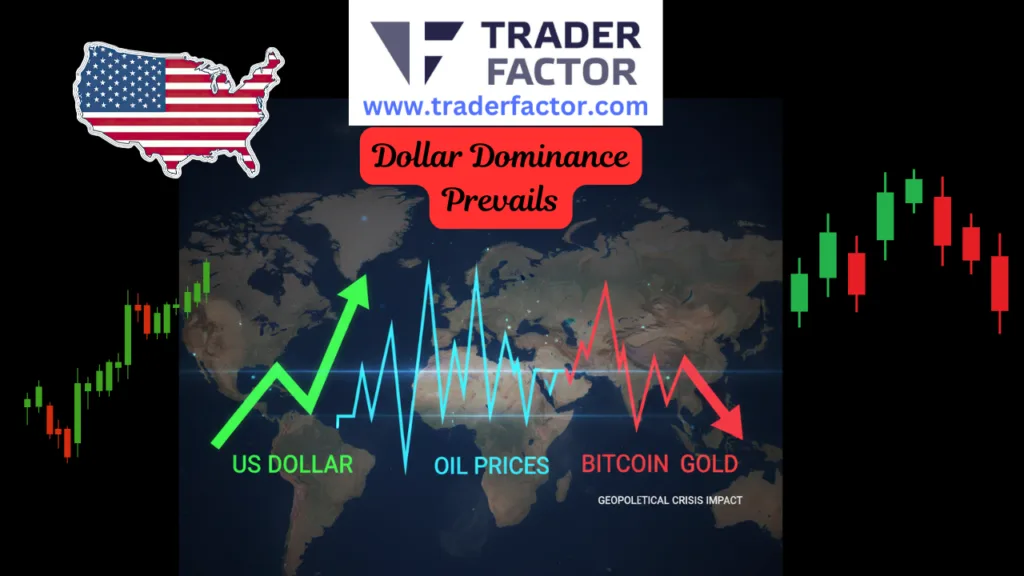
| US Dollar | DXY | Surge on Strong Data: A print >100k pushes DXY toward 100.40. Drop on Weak Data: A print <50k sends DXY to 98.00. | Interest rate expectations and safe-haven flows. |
| Equities | Nasdaq, S&P 500, Dow | Rally on Goldilocks: A 70k-90k print supports a measured Fed easing. Sell-off on Stagflation: Low jobs plus high wages crush profit outlooks. | Corporate earnings expectations and borrowing costs. |
| Precious Metals | Gold (XAU) | Strong Bid: Likely to rise in a risk-off environment, especially if the NFP misses or war escalates. | Inflation hedging and safe-haven demand. |
| Energy | Brent Crude Oil | Sustained Highs: Prices remain elevated due to Gulf supply threats, though a very weak NFP could temper demand forecasts slightly. | Middle East supply disruptions via Operation Epic Fury. |
| Cryptocurrency | Bitcoin (BTC) | Bullish on Weakness: Benefits from safe-haven flows and liquidity bets if the NFP disappoints, as investors seek decentralized alternatives. | Alternative store of value against fiat debasement. |
Actionable Conclusions for Traders
Market participants must remain agile as the data is released. The intersection of slowing job growth and rising energy costs creates a highly unpredictable trading environment.

Prepare for Equity Volatility: A “Goldilocks” print of 70k to 90k jobs is the only outcome that clearly supports stock market growth. Any major deviation will likely trigger rapid sell-offs in the Dow and S&P 500.
Watch the Wage Data: The headline jobs number matters, but average hourly earnings will dictate the inflation narrative. High wages paired with high oil prices will quickly kill any hopes for a rate cut.

Hedge with Commodities: Gold and oil remain strong defensive plays. The ongoing tensions from Operation Epic Fury provide a firm floor for energy prices, while gold offers protection against stagflation.
Frequently Asked Questions (FAQ)
Will the Fed cut rates in March?
It depends entirely on the upcoming data. If the NFP report shows extreme weakness (under 50k jobs) alongside cooling wages, a rate cut becomes highly probable. However, if wages remain sticky and job growth beats expectations, the Fed will likely hold rates steady to combat inflation.

How does the Middle East conflict affect the NFP?
The conflict does not directly change the number of jobs created this month. However, it indirectly impacts the labor market by driving up energy costs. Higher oil prices squeeze corporate profit margins, which often leads to hiring freezes and eventual lay-offs in subsequent months.
What is the “Goldilocks” scenario for the stock market?
A “Goldilocks” scenario means the data is neither too hot nor too cold. For this specific report, a job print between 70k and 90k jobs paired with moderate wage growth would be ideal. It shows the economy is cooling enough to allow the Fed to cut rates, but not collapsing into a recession.
What happens to crypto if the NFP misses expectations?
If the jobs data comes in well below the 58k forecast, markets will anticipate immediate interest rate cuts from the Federal Reserve. Lower interest rates increase global liquidity, which historically acts as a strong bullish catalyst for risk assets like Bitcoin and other cryptocurrencies. Furthermore, crypto may catch a bid as a safe-haven asset if traditional markets panic.

Disclaimer:
All information has been prepared by TraderFactor or partners. The information does not contain a record of TraderFactor or partner’s prices or an offer of or solicitation for a transaction in any financial instrument. No representation or warranty is given as to the accuracy or completeness of this information. Any material provided does not have regard to the specific investment objective and financial situation of any person who may read it. Past performance is not a reliable indicator of future performance.
FOLLOW US